Seasonal Access Around Strawberry Park and Mad Creek
October 1, 2026
October 1, 2026
A neighbor drove up County Road 36 on a Tuesday afternoon in late September, the same way she'd done a dozen times before. Pull off Missouri Avenue, follow the pavement until it turns to dirt, park in the small lot at the end, walk down to the pools. That was the routine for years. This time the attendant at the gate asked for her reservation confirmation. She didn't have one. There wasn't a walk-in slot open until Thursday.
Strawberry Park Hot Springs stopped taking walk-ups years ago, but plenty of people who live near it still think of the place the old way, a spot you visit on impulse rather than a slot you book in advance. The pools now run on timed, two-hour reservations made online, capped so the deck doesn't turn into a crowd, and payment happens in cash only when you arrive since there's no card reader or ATM on site. On weekends and through ski season those sessions sell out days ahead. The shift away from casual walk-ins started back in 2020, when the hot springs moved to a reservation model to manage capacity, and the system that came out of that period is the one still running today.
That's one clock. It's not the only one about to matter.
What makes this stretch of Strawberry Park worth paying attention to right now is how three access systems affect the same corridor: the hot springs reservation system is already in effect, while seasonal road and trail restrictions are approaching.
For residents who use this corridor, the practical effect is that reservations, road requirements, and the seasonal trail closure affect access at different times.
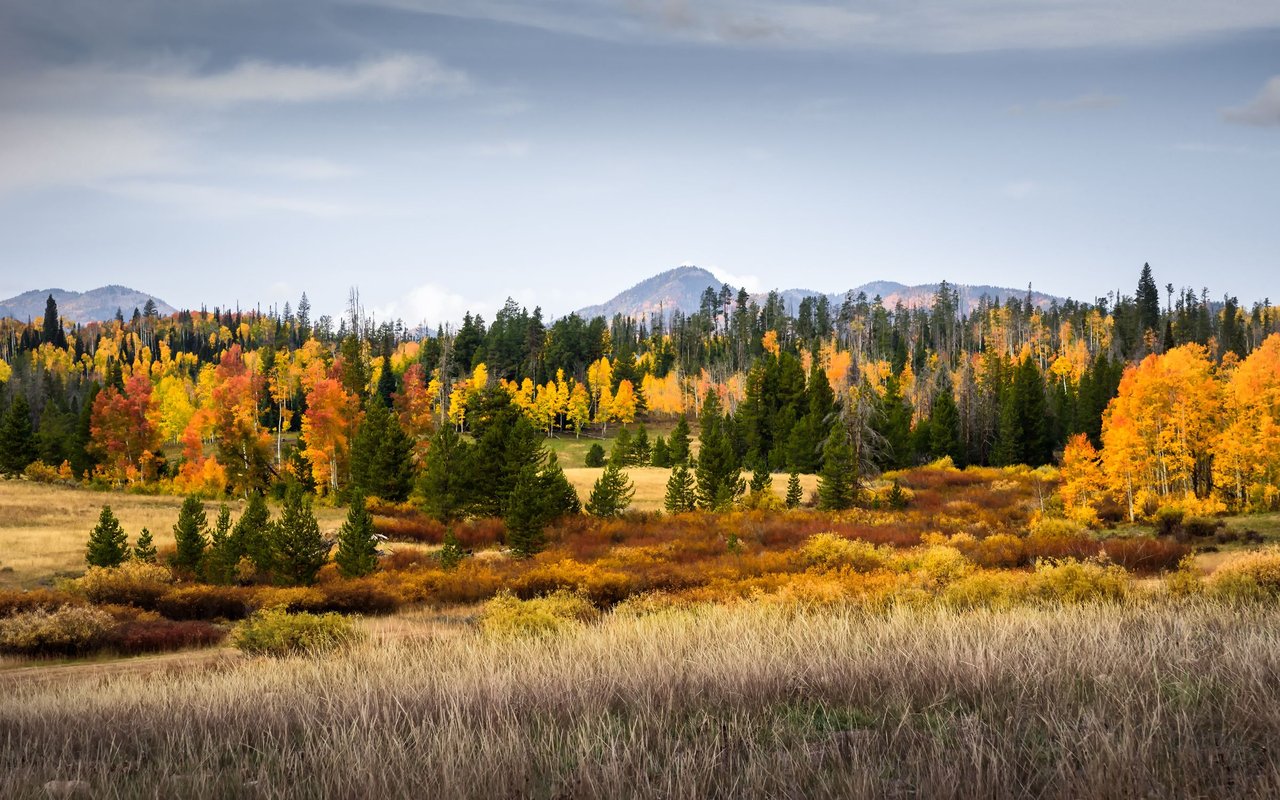
The Mad Creek Trailhead is the hub for the trail system most people up here actually use: the Mad Creek Trail itself, the Hot Springs Trail that runs from the same trailhead down to the springs, and the Red Dirt Trail that loops back through meadows and aspen stands toward the edge of the Mount Zirkel Wilderness. It's not a single out-and-back so much as a small network, and most of it sees its heaviest local use in September and October, after the summer crowds thin out and before the road turns to ice.
About two miles in sits a two-story barn built in 1905 by a homesteader named James Ratliff, restored in 2000, still standing in the middle of what's now national forest land. It's the kind of detail that doesn't change year to year while almost everything around it does. Access to the trailhead costs $5 per vehicle per day, payable in advance online or in cash on site, a fee structure that's stayed simple even as the rules around when you can use the trail at all have gotten more specific.
That specificity matters more this year than it might in a quieter season, because the gap between "the trail is open" and "the trail is closed for elk" is measured in a couple of weeks, not months. Anyone planning one more ride on Red Dirt or one more walk to the barn before the ground freezes is working with a shorter runway than the calendar might suggest.
The Routt County traction law gets treated by some as a soft guideline, the kind of thing that only really applies if the roads look bad that particular day. It isn't. From November 1 through May 1, the last two miles of County Road 36 require a 4WD or AWD vehicle equipped with snow tires or chains, full stop, regardless of whether the pavement looks clear that morning. Two-wheel-drive vehicles aren't permitted even with chains. Rental cars, low-clearance sedans, and anything without the right tires get turned away at the hot springs gate, which is one reason the property leans on local shuttle operators like Sweet Pea Tours and The Hot Springs Shuttle for groups and visitors who don't have the right vehicle sitting in the driveway.
For someone who lives along this corridor, the law isn't really about the hot springs at all. It's about whatever else sits past that gate: a cabin further up the drainage, a friend's place, a hike that starts from a pullout past the pavement. The law applies to the road itself, not to who's driving on it or why. Anyone who put off a tire swap in September is working against a date that's fixed regardless of what the weather actually does in the next few weeks.
In late September, all three systems were still running on their loosest settings. The hot springs still had same-week reservation slots most weekdays. The road was still dry enough for a standard vehicle. The Mad Creek corridor was still fully open, barn and all. That won't be true for much longer, and it won't all end on the same day.
The practical order looks like this: the traction law takes effect November 1 regardless of trail conditions or snowfall that particular week. Trail access on the Mad Creek side likely tightens sometime around mid-November, though the exact date is worth confirming directly rather than assuming. And the hot springs reservation system, already in place, only gets tighter as ski season ramps up and weekend slots start filling further in advance. Someone who wants a soak, a hike to the barn, and one more unhurried drive up the dirt stretch of County Road 36 this fall should account for the reservation system, the November 1 traction requirement, and the possible mid-November trail closure.
The old version of this place, where you drove up whenever the mood struck and figured out the rest once you got there, isn't coming back. Knowing these access rules can help you plan one more good afternoon up the canyon rather than arrive at a locked gate.
If you're weighing a move near this corridor or already call it home and want a second set of eyes on how these seasonal rules affect property access and value, reach out to Sarah Saunders directly.
This article is general information, not legal, tax or financial advice. Consult a qualified professional about your situation.
Stay up to date on the latest real estate trends.

She brings her personable nature, strong work ethic, and client-focused approach to the leading independent brokerage in Colorado. She is dedicated to building trust and delivering tailored solutions that meet her clients’ unique needs.
SARAH SAUNDERS
56 9th St Steamboat Springs, CO 80487